Paros Island
The Enduring Beauty of Paros
Traditional Villages and Cycladic Architecture
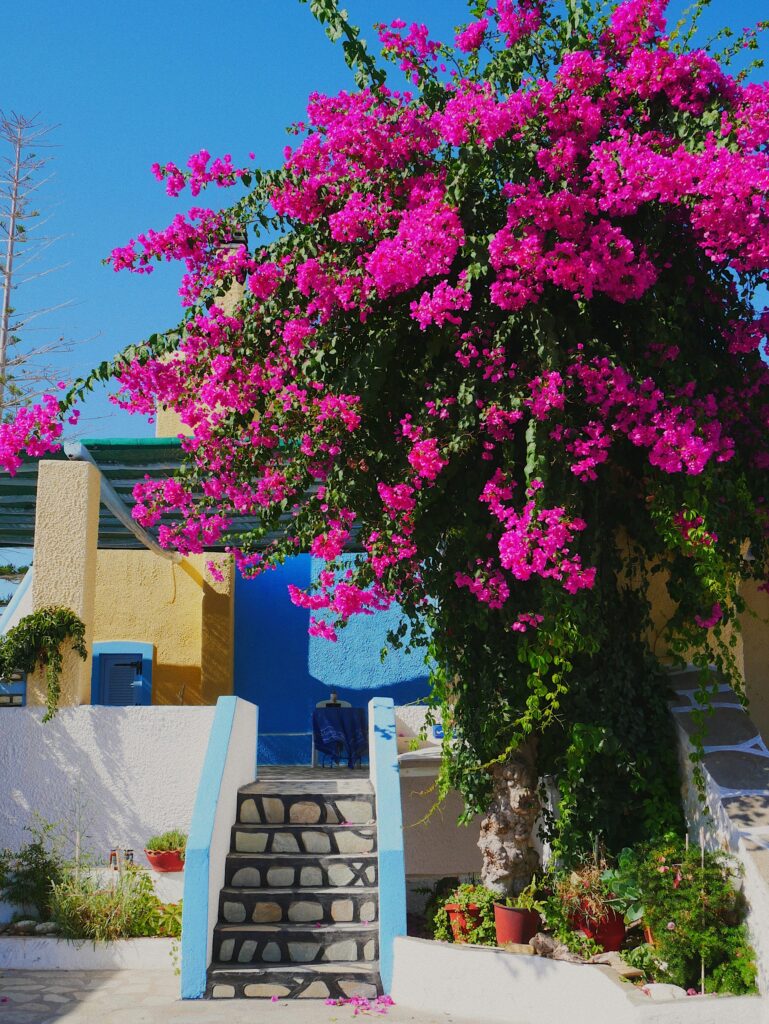
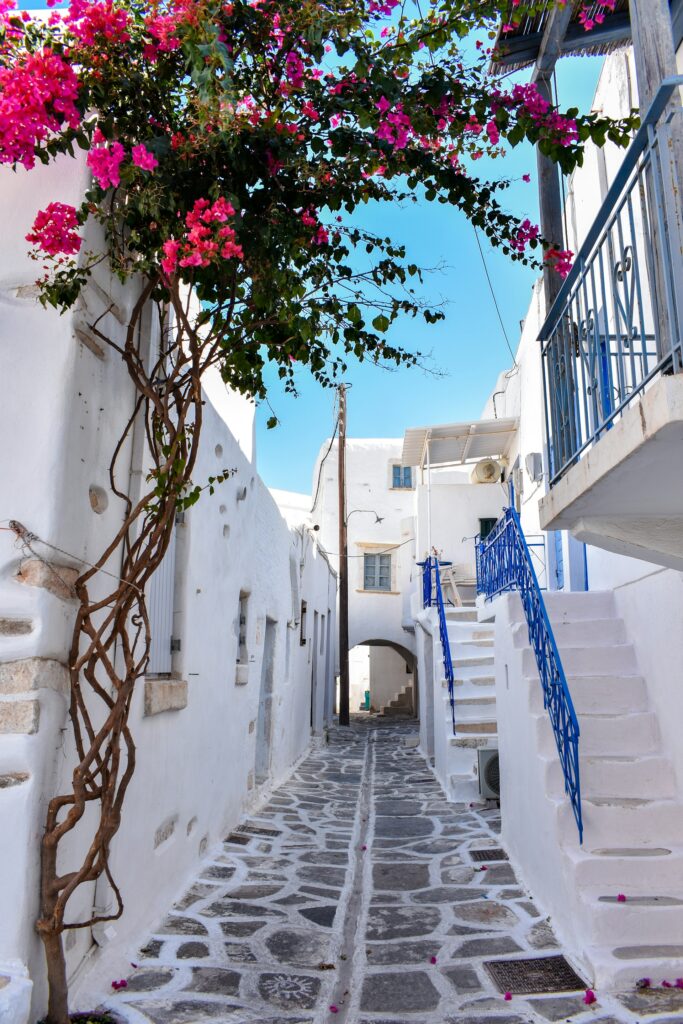
Beyond its beaches, Paros enchants visitors with beautifully preserved villages that embody classic Cycladic architecture. Whitewashed houses with soft curves, blue shutters, and narrow cobblestone alleys create a timeless atmosphere that feels both peaceful and authentic. Naoussa, once a humble fishing village, blends tradition with sophistication, featuring a picturesque harbor, old stone fortifications, and lively tavernas that sit right at the water’s edge. Lefkes, nestled in the island’s mountainous interior, offers a quieter, more introspective experience. Its neoclassical homes, flower-filled courtyards, and panoramic views across Paros and neighboring islands reflect a slower pace of life. Walking through these villages feels like stepping into a living museum, where everyday life continues much as it has for generations. Small churches, hidden squares, and local bakeries reveal the deep-rooted culture and hospitality of the island. The architectural harmony—built to reflect sunlight and withstand wind—demonstrates how Paros’s beauty is not only visual but also practical, shaped by centuries of coexistence between people and their environment.
Ancient History and Cultural Depth
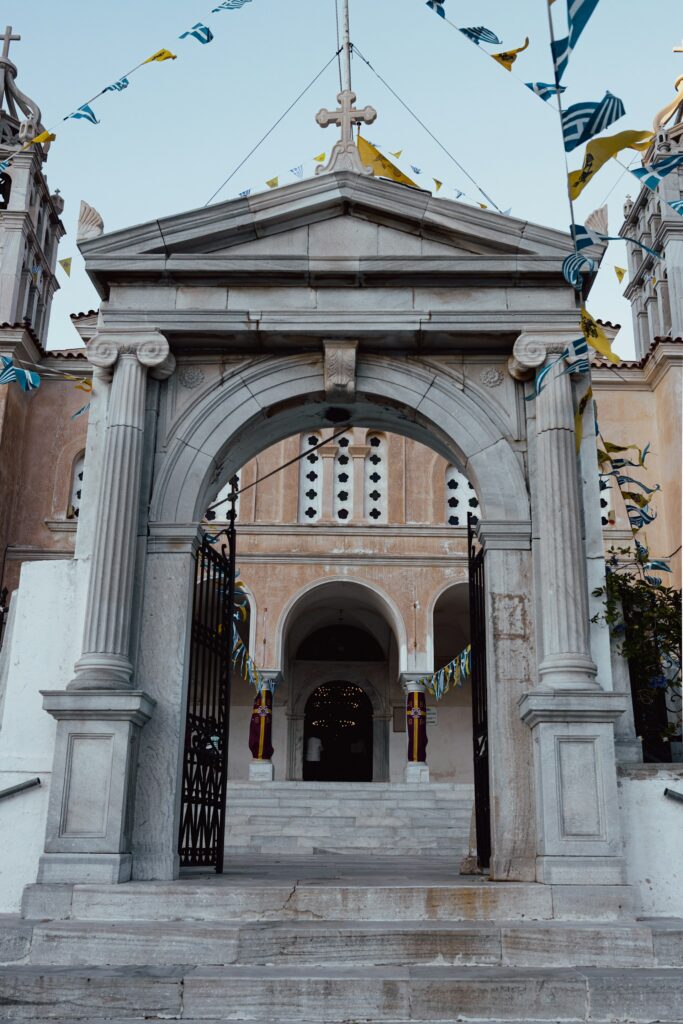
Paros possesses a rich historical and cultural legacy that adds depth to its natural charm. The island was famous in antiquity for its high-quality Parian marble, prized for its pure whiteness and translucence and used in masterpieces such as the Venus de Milo. Remnants of this heritage can still be explored at the ancient marble quarries near Marathi, where visitors can walk through tunnels carved thousands of years ago. Parikia, the island’s capital, is home to the impressive Panagia Ekatontapyliani, also known as the Church of the Hundred Doors. This early Byzantine monument is one of the most important religious structures in Greece, blending spiritual significance with architectural grandeur. Scattered ruins, ancient cemeteries, and museum collections reveal layers of Cycladic, classical, Roman, and Byzantine history. Cultural festivals, traditional music, and religious celebrations continue to honor these roots, keeping history alive rather than confined to textbooks. Paros’s beauty lies not only in what you see, but in the stories embedded in its stones, paths, and rituals, offering visitors a profound sense of continuity through time.
Light, Landscape, and Island Atmosphere
One of Paros’s most subtle yet powerful beauties is its unique atmosphere, shaped by light, landscape, and balance. Rolling hills, dry stone walls, olive groves, and vineyards create a textured interior that contrasts gently with the open sea. The Cycladic light is particularly striking on Paros, illuminating the white villages and rocky terrain with a soft brilliance that changes throughout the day. Sunrises are calm and pastel-toned, while sunsets bathe the island in warm golds and pinks, especially when viewed from coastal paths or hillside villages. Unlike more crowded destinations, Paros maintains a sense of spaciousness and calm, even during peak summer months. The island manages to balance energy and serenity: lively evenings in Naoussa coexist with silent nights under star-filled skies in the countryside. This equilibrium gives Paros an inviting, lived-in feeling rather than a purely touristic one. Its beauty is not overwhelming or dramatic, but gently immersive, leaving visitors with a lasting sense of peace, clarity, and emotional connection long after they depart.